
November 10, 2026
9am – 2pm CST
Washington University in St. Louis
Delmar DivINe – Ameren Community Convening Room
5501 Delmar Blvd., St. Louis, MO 63112
*Registration for the event is full. If you would like to be added to the waitlist, please email Dr. Vidya Eswaran at vidya@wustl.edu.
This convening will bring together scholars, service providers, community advocates, correctional and governmental stakeholders, and individuals with lived experience of incarceration to explore critical research and advocacy needs to support the health and well-being of people who have been incarcerated, their families, and their communities.
Individuals who have been incarcerated face both short- and long-term adverse health impacts of their time in custody. This convening will bring together key stakeholders to discuss a research and advocacy agenda to support the physical, mental and relational health of individuals impacted by the criminal legal system in St. Louis.
This is a free event, and free parking is available in the lot across the street (Belt Avenue). Breakfast and lunch will be provided.
This event is supported by the Washington University Institute of Clinical and Translational Sciences and The Foundation for Barnes-Jewish Hospital.
Program Agenda
9:00am – 9:20am
9:20am – 9:30am
9:30am – 10:15am
10:15am – 10:30am
10:30am- 11:00am
11:00am – 11:05am
11:05am – 11:45am
11:45am – 12:00pm
Opening remarks – Jennifer Layden
Welcome – April Foster and Latrice Tate
Keynote – Fred Rottnek
Asset Map Presentation – Nick Szoko
Small Groups – Asset Mapping
Advocacy Introduction – Phil Marotta
Advocacy Small Groups
Break
12:00 – 1:00pm
Lunch Panel – John Roman and Ashley Givens; Moderator – Angela Brown
1:00pm – 1:05pm
1:05pm – 1:45pm
1:45pm – 2:00pm
Research Introduction – Vidya Eswaran
Research Small Groups
Closing Remarks – Sarah Topal and Denis Shine
Keynote Speaker
Fred Rottnek, MD
Professor and the Director of Community Medicine at Saint Louis University (SLU) School of Medicine
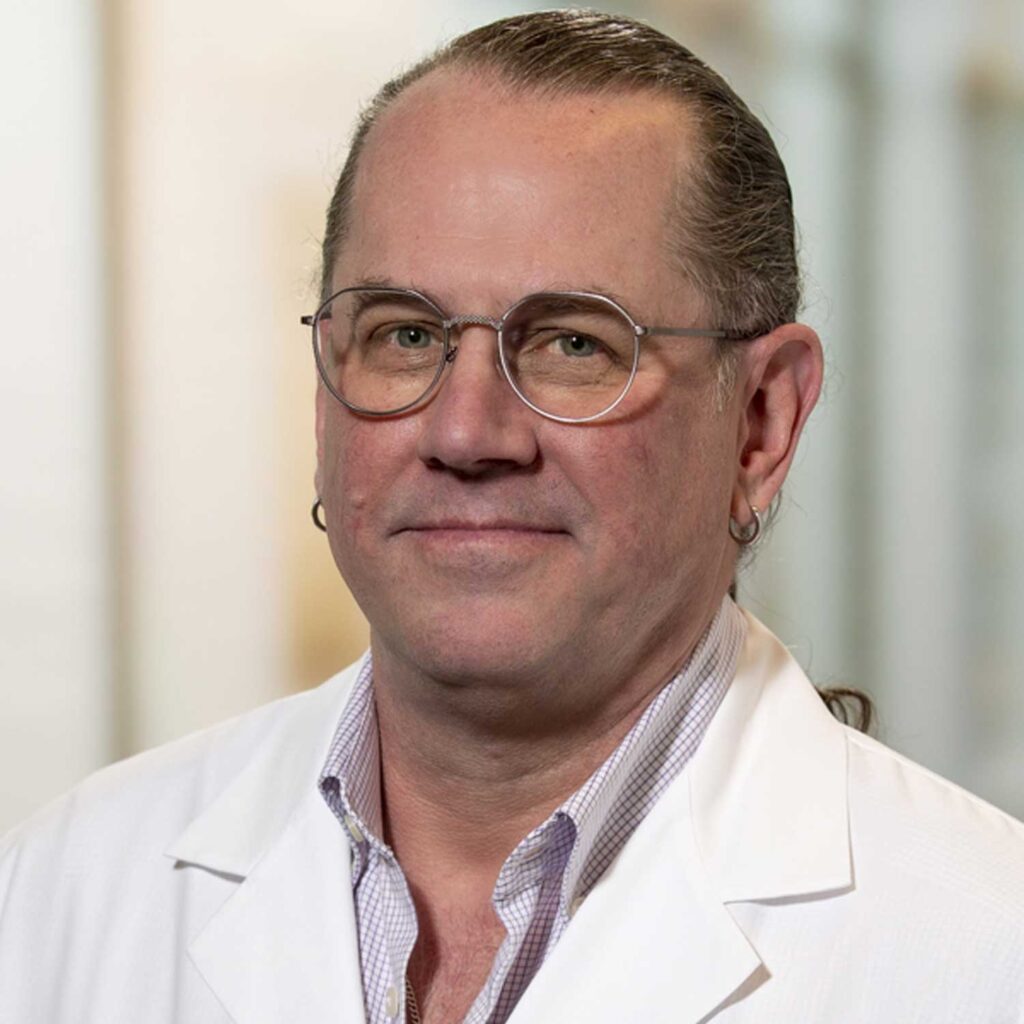
Dr. Fred Rottnek, a Professor of Family and Community Medicine at Saint Louis University, has dedicated a significant portion of his career to improving healthcare for justice-involved individuals through clinical care, interprofessional education, and advocacy. Over more than 15 years as a correctional health physician, including serving as medical director for the Saint Louis County Jail and juvenile court systems, he has integrated a trauma-informed lens into the medical treatment of incarcerated populations, framing addiction and behavioral health as chronic diseases rather than moral failings. Beyond direct patient care, Dr. Rottnek leverages his extensive experience to serve as a mentor, researcher, and national subject matter expert advocating for incarcerated individuals’ constitutional right to adequate healthcare.
Speakers and Panelists
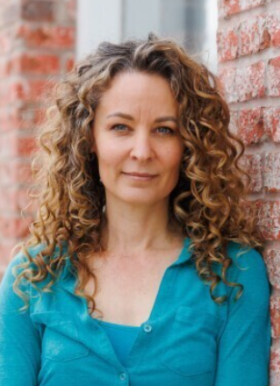
April Foster, MSW
April Foster holds a Master of Social Work from Southern Illinois University-Edwardsville, with a specialization in gender-specific programming within the justice system and previously built her background in juvenile justice and behavioral research at Washington University (focusing on trauma, PTSD, and psychiatric disorders) while staying active in reentry work through volunteering, consulting, and board service. She currently serves as the Executive Director at the Keyway Center for Diversion & Reentry. Keyway’s mission is to partner with women impacted by the criminal justice system to promote healing justice, stability, and meaningful connection to their families and communities. Utilizing a trauma-informed, strengths-based, and evidence-driven approach, the organization provides comprehensive wraparound services to break the cycle of recidivism and address the root causes of systemic challenges facing justice-involved women.
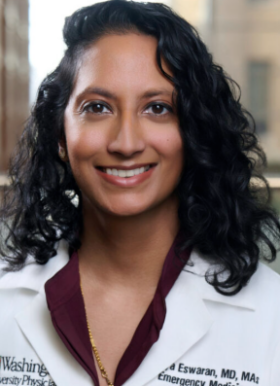
Vidya Eswaran, MD
Vidya Eswaran, MD, MAS, is an Assistant Professor of Emergency Medicine at the Washington University in St. Louis School of Medicine. As a physician and researcher, Dr. Eswaran’ research interests lie in improving outcomes for individuals impacted by substance use disorders, especially for those with a history of criminal legal system involvement. She hopes to create Emergency Department-based and Emergency Department-adjacent interventions to address patients’ medical and psychosocial needs and believes strongly in community engagement throughout the research process. Dr. Eswaran received her bachelor’s degree in biology from the Massachusetts Institute of Technology and her medical degree from Baylor College of Medicine in Houston, TX. She completed residency in Emergency Medicine at Northwestern University and subsequently was selected for the National Clinical Scholars Program at the University of California, San Francisco where she received a master’s degree in clinical research. In addition to her research-related efforts, Dr. Eswaran works clinically as an emergency medicine attending physician in St. Louis, Missouri.
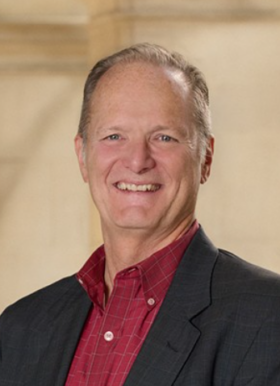
Denis Shine, MSW
Denis Shine serves as the Reentry Advocate for the Washington University Prison Education Project (PEP), partnering with students as they pursue stability, opportunity, and long-term success after incarceration. His work includes helping students secure housing, advance their careers, access healthcare, and continue their education. He also designs and facilitates workshops that build essential life skills while strengthening partnerships with community organizations. Former students have played a vital role in shaping the program’s reentry priorities.

Sarah Topal, MSW
Sarah Topal, MSW, brings over 17 years of experience advocating for justice-impacted individuals, drawing on a Master of Social Work and post-master’s certificate in Program Evaluation from Washington University in St. Louis alongside a bachelor’s degree in psychology from Southern Illinois University Edwardsville. Her background spans the public, private, and non-profit sectors—including experience scaling a start-up nonprofit into a multi-million-dollar, multi-state organization—with expertise in direct practice, reentry program expansion, policy, and data-driven service delivery. Currently, she serves as the Executive Director at Criminal Justice Ministry (CJM). CJM’s mission is to support, empower, and recognize the human dignity of individuals affected by incarceration by providing comprehensive housing, basic needs, and reentry support services to help justice-involved individuals successfully rebuild their lives, reunite with their families, and reintegrate into the St. Louis community.

Ashley Givens, PhD, MSW, LCSW
Dr. Ashley Givens is an associate professor of social work at the University of Missouri. Her research uses community engaged approaches to explore the intersection of mental health and traumatic experience and the criminal legal system. Dr. Givens also studies families, parent-child relationships, and social support and the impact of these relationships on success. She works with both individuals under supervision and staff associated with community supervision as well as correctional institutions. Her work aims to provide meaningful interventions to reduce the amount of mental health needs, trauma symptoms, and social separation for individuals who interact with the criminal legal system.
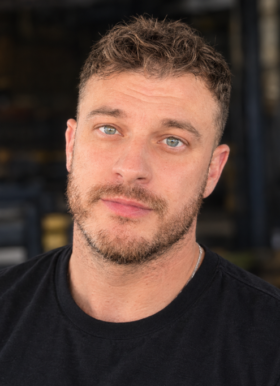
Christopher Woodman
Christopher Woodman is a manufacturing leader and community research partner whose work focuses on rehabilitation, reentry, and reducing recidivism among formerly incarcerated individuals. While incarcerated at Moberly Correctional Center, he participated in the Prison Research and Innovation Network (PRIN). Since his release in October 2024, he has continued this work through the Missouri Prison Treatment Program (MPTP), implemented across four Missouri correctional facilities in partnership with the University of Missouri. Drawing on his lived experience and professional background, Christopher advocates for research-informed approaches that improve reentry outcomes and ensure the voices of justice-impacted individuals help shape the programs and policies that affect their lives.
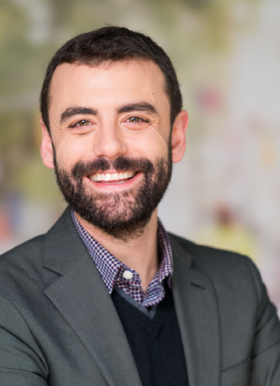
Phillip Marotta, PhD
Phillip Marotta’s research focuses on the impact of the criminal justice system on disparities in public health, with an emphasis on substance use treatment interventions in justice-involved populations and the HIV care continuum for justice-involved persons with substance use disorders.
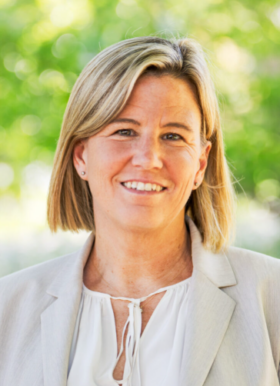
Jennifer Layden, MD, PhD
Jennifer Layden, MD, PhD, is the associate dean for practice and a professor at Bursky School of Public Health. As the associate dean for practice, she leads the Bursky School’s efforts to grow partnerships that bridge the school’s academic expertise and scientific discoveries with community-centered needs, decreasing the time from discovery to impact and providing a bi-directional conduit for knowledge sharing and opportunity development. The Office of Practice strives to implement agile, new ways of partnering to positively impact communities’ health and well-being locally, nationally and globally.
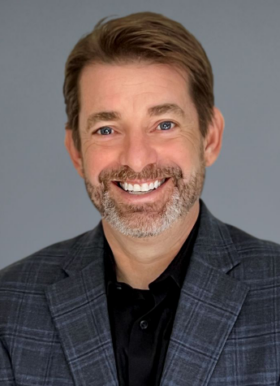
John Roman, PhD, MPP
John is a senior fellow in the Economics, Justice & Society department at NORC at the University of Chicago where he also directs the Center on Public Safety and Justice. His research focuses on the economics of innovative crime and justice policies and programs, cost-benefit methodology, public private partnerships and systems reforms, including justice system interactions with substance abuse, public health, adolescent development, housing, workforce development, and education. Dr. Roman has conducted research on behalf of numerous federal agencies, including the National Institute of Justice, the Office of Juvenile Justice and Delinquency Prevention and the Bureau of Justice Assistance, state and local governments, and private foundations. In that capacity, he served as the Visiting Science Director at the New York City Mayor’s Office of Criminal Justice (2017 – 2018).
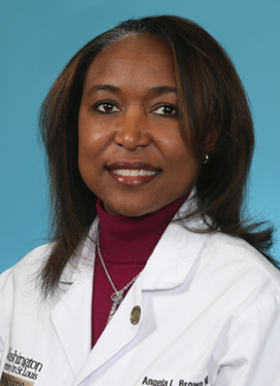
Angela Brown, MD
Dr. Angela L. Brown is a Professor of Medicine in the Cardiovascular Division, Vice Chair for Health Equity, and Director of the Hypertension Clinic at Washington University School of Medicine in St. Louis, where her career has centered on resistant hypertension, women’s heart health, and cardiovascular health disparities. In her role as Co-Director of the Center for Community Health Partnership & Research at WashU—she leads initiatives that foster bidirectional communication between academic researchers and community members to ensure research addresses local health priorities. Her extensive community-partnered advocacy, particularly alongside organizations like the American Heart Association to promote health equity and improve cardiovascular outcomes in historically underserved St. Louis communities, has earned her the university’s Distinguished Faculty Community Service Award and the St. Louis American Foundation’s Salute to Excellence in Healthcare.
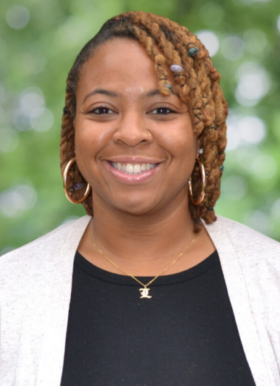
Latrice Tate
Latrice Tate brings over a decade of background in corrections, reentry services, and nonprofit program leadership. Currently, she serves as the Director of Justice Initiatives, Clinical and Community Integration at the St. Louis Integrated Health Network (IHN), where she leads the strategy, development, and execution of IHN’s Justice Initiatives portfolio to support individuals transitioning from incarceration back into the community. Working at the intersection of public health, criminal justice, and social services, her role encompasses managing program operations, supervising staff, cultivating cross-sector partnerships, and embedding data, evaluation, and continuous quality improvement into community care efforts.
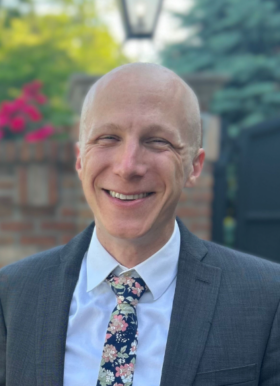
Nicholas Szoko, MD, PhD
Nicholas Szoko, MD, PhD, is an assistant professor of pediatrics in the Division of Adolescent Medicine. His research has focused on identifying protective factors to support systems-involved youth, as well as design, implementation, and evaluation of community-partnered youth empowerment programs.
For any questions or concerns, please email Vidya Eswaran at vidya@wustl.edu or Amanda Hudecek at hudecek@wustl.edu.